Practical tips for a professional-looking website: design, copy, images and speed that keep visitors on the page and turn them into customers.
Your company may have the best domain name and huge potential, but if your website doesn't live up to it, potential customers are unlikely to stay on it.
In the end, your website is a mirror of your business, so an unprofessional website can seriously damage your reputation and business plans.
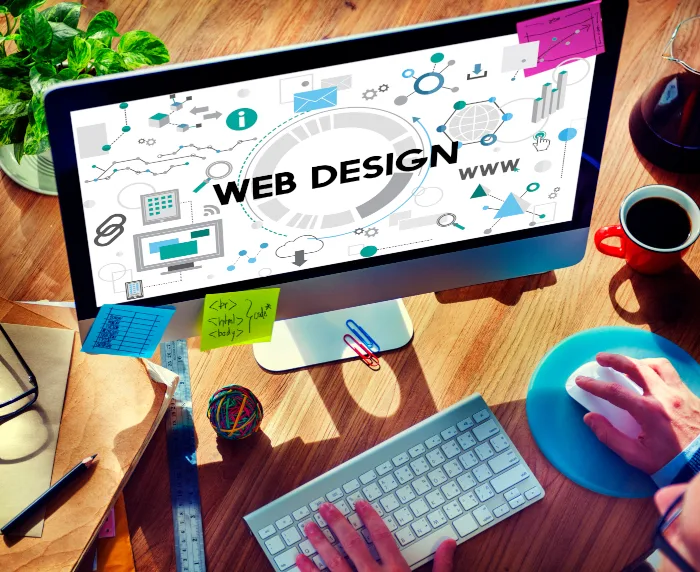
So how do you make a professional impression?
Although there are no fixed rules, there are several ways to make a professional impression and keep visitors on your website.
Choose the right font and background
Cheap-looking fonts make your products and services look cheap too, and hard-to-read fonts increase your bounce rate.
"Sans serif" fonts (clean typefaces without heavy decoration, such as Arial) are easier to read on screen, and black or dark grey text on a white or near-white background is easier on the eye.
Look for inspiration on the websites of influential companies that use plenty of white space around text to create a sense of luxury and clarity.
Create a favicon
Favicons are small icons shown next to your website's name in the browser tab and to the left of the site name in bookmarks.
Besides strengthening your image, they help your website stand out.
For more details on making a favicon, read our article on how to create and add a favicon to your website.
Use larger images
Alongside text, images can turn a simple-looking page into something special.
A growing trend is to use larger images on business websites that are clear and in line with the company's overall message (for example, Apple's website).
Less is more
A professional-looking website doesn't have to be full of flashy elements and animations. In fact, as with much great design, less is more.
Keep it organised and free of clutter to convey a sense of professionalism.
Colour scheme
Like fonts and backgrounds, colour schemes can have a big impact on how your website looks.
Many quality brands avoid bright colours and high-contrast colour combinations. Subtler shades usually look more professional and less "cheap".
Don't forget mobile
Today it's essential to have a website optimised for mobile, especially since mobile-friendliness is now a Google ranking factor.
Responsive design is key in the fight for customers' attention, and if your site isn't mobile-friendly you'll simply look outdated and unprofessional.
We're here for you!
Unless you're a professional, changing the design of a website can be tricky. There are plenty of free website builders today, but keep in mind that one small coding mistake can break the whole site, so it may be worth investing in a professionally designed site that people will want to stay on longer and come back to in the future.
Although it may cost more at first, a professional design can benefit your business in the long run and give you a website you can be proud of. Sometimes even small changes to your website have the biggest impact on your image. Interested in website development? Get in touch with us.